Are Pest Control Chemicals Safe for My Family in Windsor?
What determines pest control chemicals secure or dangerous?
When homeowners search for pest control Windsor services, the biggest concern is usually not whether a product does the job, but whether it is safe for families. The answer depends on several elements, especially the active ingredient, the way it is used, and how closely the technician follows label directions. Products approved for residential use are designed with risk in mind, but any chemical can become a concern if it is misused or if people are exposed the wrong way.
Safety is not about whether a product is “chemical” or “natural.” It is about toxicology, the amount used, and the likely exposure route. A family may be exposed through breathing in droplets, touching treated surfaces, or accidentally contacting a product before it has dried. That is why a low-risk treatment in one home can become unsafe in another if the application method is poor or instructions are ignored.
For example, a properly applied residual spray on baseboards may be suitable for a tough https://mosquitoman.ca/franchise/ infestation, but it can increase exposure risk if children or pets touch wet surfaces. In contrast, a more controlled approach like a bait station or gel bait often reduces general surface contact because the product is placed in targeted locations. The goal is always risk reduction, not just pest elimination.
In Canada, residential pest products must be reviewed by Health Canada through the PMRA before they can be sold for use. That review matters, but it does not replace careful use. A product approved by regulators can still be unsafe if it is overapplied, used in the wrong room, or not given enough time to dry or settle. That is why reading the product label and asking questions about the treatment plan are so important.
What pest control approaches are more safe for homes with children and pets?
In homes with pets and children, the safest approach is often not one single product. This is a strategy called integrated pest management. This method blends inspection, sealing entry points, sanitation, monitoring, and targeted product use only when needed. It is often more environmentally responsible and can lower chemical exposure while still achieving strong infestation control.
Many families in Windsor prefer non-toxic options first, and that can be a smart starting point. A careful home inspection may reveal food sources, moisture problems, or gaps around pipes and foundations. Fixing those issues can lower pest pressure before any treatment begins. This is especially important in detached homes, homes with basements, and properties with shared walls where pests can move through hidden spaces.
When chemicals are needed, low-toxicity products and targeted methods are often preferable. A bait station can be useful for rodents because it keeps the product contained and away from common family activity areas. A gel bait can be effective for cockroaches and ants when placed in cracks and voids where children and pets are unlikely to reach. Spot treatment is another safer option because it limits application to specific areas instead of broad indoor coverage.
These methods are not automatically harmless, but they generally limit unnecessary chemical exposure. They also work well when paired with preventive measures such as food storage, sealing crumbs, fixing leaks, and reducing clutter. For homes aiming to keep children and pets safe, the best pest control plan is usually the one that uses the least product necessary in the smallest effective area.
What questions should Windsor homeowners ask a pest control company?
When comparing providers for pest control Windsor, ask direct questions before arranging service. A trustworthy company should be willing to explain the product, the process, and what your household needs to do before and after treatment. First by asking about certification. You want a licensed exterminator or trained technician who understands local pests and is trained how to apply products safely in occupied homes.
Inquire for the safety data sheet for any product that will be used indoors. This document gives you essential details about the product’s hazards, first-aid steps, and handling instructions. It also helps you understand whether the treatment is a fit for your home, especially if anyone in the household has respiratory sensitivity, young children, or frequent contact with floors and baseboards.
The application method matters just as much as the product itself. Will they use a residual spray, baiting system, dust, foam, or spot application? Ask where the product will be placed, how much will be used, and whether the technician will avoid places where children and pets spend time. Good companies should explain how their methods support protect children and protect pets without making the treatment less effective.
Finally, ask about re-entry time. That is the period you should stay out of the treated space after service. Clear guidance here is essential. A reputable provider will also give specific resident instructions about ventilation, food handling, and cleaning after treatment. If a company is vague or rushes through safety questions, that is a warning sign.
How do area conditions in Windsor affect vermin treatment decisions?
The local environment matter a lot when choosing a treatment plan. In Windsor, Ontario, humid summers can create a level of moisture that attracts pests and helps them spread. This is one reason ants and cockroaches often become more active in warmer months, especially when indoor humidity rises in basements, kitchens, and bathrooms.
Windsor also has many older housing areas, including neighbourhoods near downtown Windsor. In these homes, small cracks, foundation gaps, worn weatherstripping, and open utility penetrations can provide direct access for pests. Before any treatment begins, those structural entry points should be identified and, where possible, sealed. Otherwise, even a good chemical treatment may only offer short-term relief.
Another local factor is housing style. Many residents live in detached homes with basements, while others deal with shared walls, semi-detached layouts, or multi-unit buildings. Basements can make pest activity harder to spot because rodents, cockroaches, and bed bugs can hide in low-traffic spaces. Shared walls can also allow pests to move between units, which changes the approach to infestation control and often makes coordinated treatment more important.
Seasonally, Windsor and Essex County see pest pressure rise in spring and again in late summer. Spring often brings ants and early rodent activity as temperatures change, while late summer can lead to more indoor movement as outdoor food sources shift. That means the best application methods may change throughout the year. A smart treatment plan for Windsor should reflect these seasonal pests rather than using the same approach every time.
What must I do prior to and after treatment to keep safe my family?
The most secure pest control plan relies on what you take care of before and afterward the service. Before treatment, ask whether vacating the home is required and for how long. If the technician states the property must be empty for a certain period, adhere to that guidance closely. This is especially important for families with infants, toddlers, older adults, or anyone with asthma or chemical sensitivities.
Prepare the home by managing food preparation and storage carefully. Put away exposed dishes, cover pet bowls, and place food in sealed containers or cabinets as instructed. If treatment will happen in the kitchen or pantry, ask whether you need to remove small appliances or wipe surfaces afterward. Limiting contact between products and consumables is one of the easiest ways to reduce risk.
Once treatment, ask about ventilation. Opening windows or running fans may help reduce odours and improve indoor air conditions, but only do this if it fits the technician’s instructions. Ventilation is especially helpful after low-odour treatments or when a product needs time to dry before normal use resumes. Never re-enter early even if the smell seems mild.
Once the area is safe to use again, follow guidance for surface cleaning. Some surfaces should not be washed right away because cleaning too soon can reduce the effectiveness of the treatment, while other areas may need a careful wipe-down before children can return. Confirm exactly which areas are safe to touch and when. Good resident instructions should explain what to do about floors, counters, sinks, and spots where pets may rest.
Also keep in mind that personal protective equipment may be needed during preparation or cleanup if you are handling concentrated products or disturbed nesting material. Gloves, masks, or other equipment may be recommended in specific situations, but homeowners should never improvise. If you are unsure, let the professional handle the high-risk steps.
Are natural pest management options more safe?
Many local Windsor homeowners believe that essential oils, diatomaceous earth, or boric acid are automatically less harmful because they are frequently described as natural. It is not always true. Safety concerns and effectiveness vary with the pest, the location, the amount used, and who in the home may be exposed.
Essential oils can in some cases repel certain pests, but they may also affect sensitive skin or airways. They can be risky around cats, dogs, and young children if used heavily or in enclosed spaces. These products may help as part of a broader protective plan, but they are rarely enough on their own for a serious infestation.
Diatomaceous earth can work against insects in dry locations because it damages their outer layer, but it must be applied carefully. Fine dust can be a concern if it becomes airborne, and it is not a good fit for damp areas. Likewise, boric acid may be useful for cockroaches and ants when applied in hidden cracks, but it still needs to be treated as a pesticide, not a harmless household powder.
A common mistake homeowners make is assuming that natural products eliminate all chemical exposure. Even lower-toxicity or “organic” products can create exposure if they are overused or placed in the wrong area. They may be part of a smart preventive measures strategy, but serious pest problems often require a more structured plan. For that reason, families should judge alternatives based on real-world fit, not just the marketing label.
When should I call a professional for pest control in Windsor?
You should call a professional when the problem is more than a limited, single issue. If the infestation severity is growing, if pests keep returning after DIY efforts, or if you notice damage behind walls or near the foundation, it is time to bring in help. A licensed exterminator can determine the source, identify the species, and build a treatment plan that matches the home and the risk level.
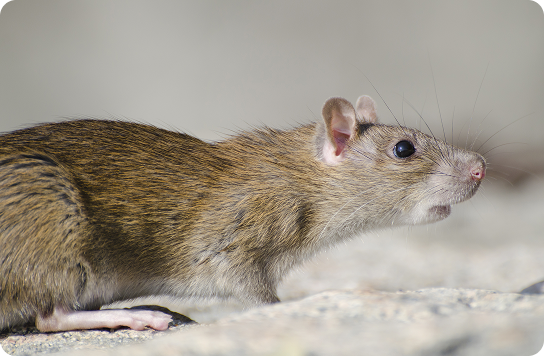
Professional help is most important when pests are entering through structural entry points. Cracks around plumbing, gaps in basement walls, torn screens, and openings near vents can let rodents, ants, cockroaches, and bed bugs to keep coming back. Without sealing or repair work, chemical treatment alone may only provide brief relief.
Recurring pests are another sign to stop guessing. If you keep seeing rodents in the basement, trails of ants in the kitchen, cockroaches in warm hidden spaces, or bed bugs in bedrooms, you likely need something beyond store-bought products. These pests often require targeted treatment, ongoing observation, and follow-up. A professional service can also tell you whether the issue is limited or widespread.
For many families, the best reason to hire a pro is peace and confidence. A well-managed professional service can combine inspection, baiting, exclusion, and selective product use to deliver control while keeping the home as safe as possible. That is often better than repeating DIY treatments that increase risk without solving the root cause.
FAQs about pest control safety in Windsor
Are pest control chemicals safe for children in Windsor homes?
They can be, if the products are approved for residential use, applied correctly, and kept out of children’s reach. To improve child safety, ask about the active ingredient, the application method, and the re-entry time. Always follow label instructions and keep kids away from wet surfaces, bait placements, and treated cracks until the technician says it is safe.
How long should pets and children stay out after pest control treatment?
The answer depends on the product and room, so the most accurate answer comes from the specialist and the product label. In general, pets and kids should stay out until the area is dry, ventilated if required, and officially approved for re-entry. Request for detailed resident instructions before the service begins so you can plan around your household schedule.
What pest control methods are safest for pregnant people?
The safest approach is typically the approach with minimal direct exposure. That may include integrated pest management, using bait stations, closing off entry points, and applying targeted treatment only when required. Expectant mothers should avoid being present during application unless the company confirms it is safe, and they should ask about the product used, air circulation, and post-treatment cleanup in advance.
Do natural pest control products work as well as chemical treatments?
Sometimes, but not always. Their effectiveness depends on the type of pest, how large the infestation is, and where the problem is located. Natural methods may help with stopping issues early or limited concerns, but rodents, cockroaches, bed bugs, and larger ant problems often need more organized pest management. The right solution is the one that solves the issue while reducing unnecessary exposure.
How can I tell if a Windsor pest control company is using safe products?
Ask whether they are a licensed exterminator, ask for the safety data sheet, and find out exactly what treatment will be used. A reliable company should describe the active ingredient, how it will be applied, how long the re-entry time is, and what you should do about food storage, ventilation, and surface cleaning. If they cannot clearly explain their process, choose someone else.
Mosquito Man Windsor
2485 Front Rd, LaSalle, ON N9J 2C5, Canada
+1 226-526-4711
https://maps.app.goo.gl/JwhSC65zfbLWNH6v7
https://mosquitoman.ca/pest-control/windsor/
42.2161228, -83.1003005